
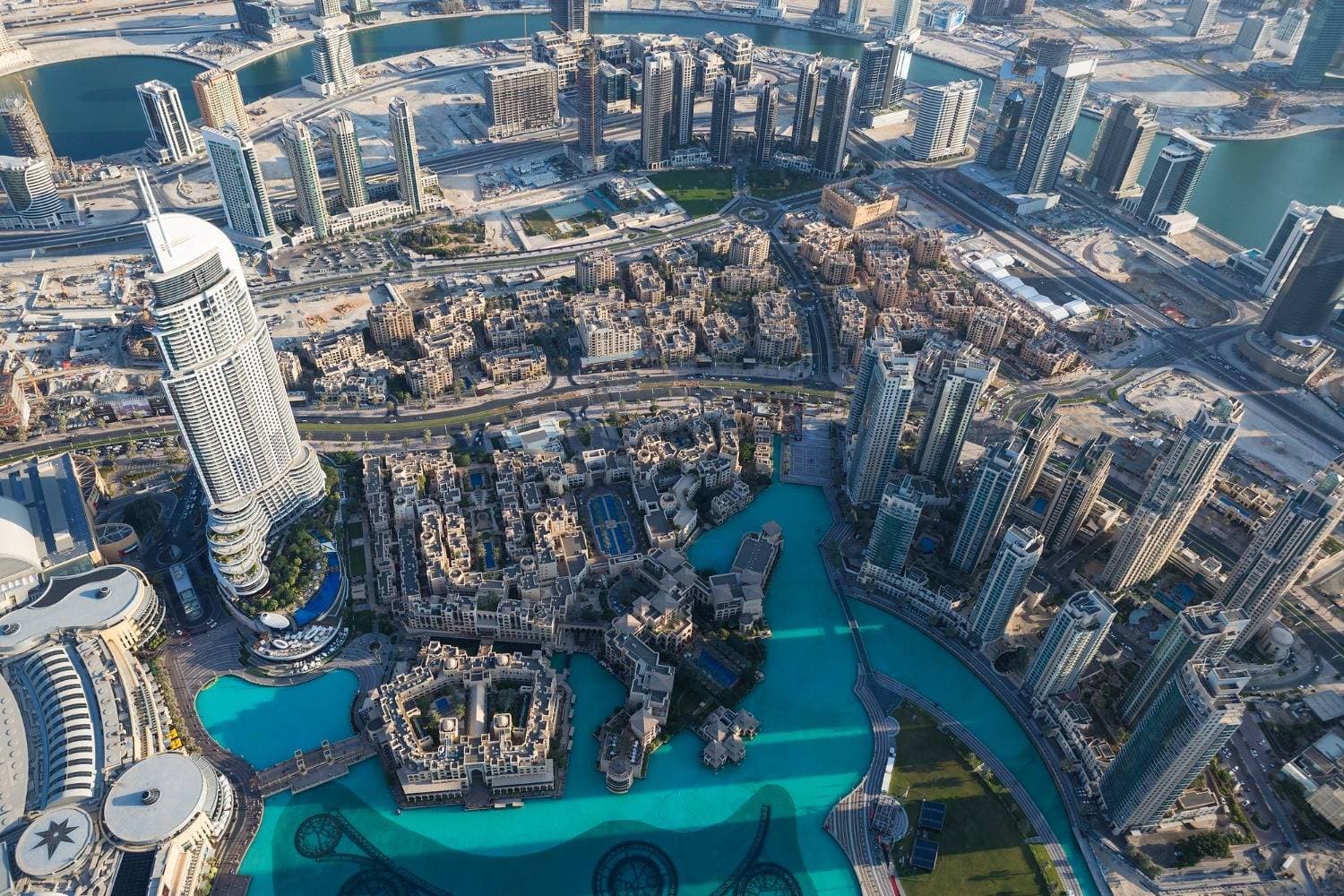
Dubai gets a lot of attention from international investors — and for good reason. But between the excitement and the actual purchase, there's a lot of information to sort through. This guide cuts through it and covers what foreign buyers genuinely need to know before putting money into Dubai property.
Can Foreigners Actually Own Property in Dubai?
Yes, fully and legally. Since 2006, foreign nationals have been able to purchase freehold property in Dubai with the same ownership rights as UAE nationals. That means you own the unit, the land (for villas and townhouses), and you can sell, lease, renovate, or pass it on to your heirs without restriction.
The one condition: you can only buy in designated freehold zones. These cover most of Dubai's major residential and investment areas — Dubai Marina, Downtown Dubai, Business Bay, Palm Jumeirah, JVC, Dubai Hills Estate, and many more. In 2025, the list expanded further to include areas like Dubai South, Al Wasl, and parts of Sheikh Zayed Road. So in practice, the freehold zone limitation rarely gets in the way.
Why Dubai, and Why Now?
A few things make Dubai genuinely unusual as an investment market:
No income tax
Rental income and capital gains are completely tax-free. That's not a loophole — it's the law, and it has been for years.
Rental yields.
Net yields between 5–9% are common across Dubai's established communities, which outperform most comparable cities in Europe, Asia, and North America.
Transaction volume.
Dubai's residential market has hit record transaction volumes for several consecutive years. That's not hype — it's documented data from the Dubai Land Department.
The Golden Visa.
Property purchases from AED 2 million make you eligible for a 10-year UAE residency visa, including family sponsorship. For investors who want the option to live here, or simply want the security of long-term residency, that changes the calculation significantly.
What the Buying Process Looks Like
This is where a lot of foreign buyers feel uncertain, especially first-timers. The honest answer is that the process is more straightforward than most people expect — provided you're working with the right people.
Here's the rough sequence:
- Shortlist properties based on your budget, goals, and preferred areas
- Make an offer. If accepted, both parties sign a Memorandum of Understanding (MOU), and you pay a deposit, typically 10%
- Due diligence, including title deed verification, NOC from the developer, and legal checks
- Transfer at the Dubai Land Department, where the title deed is issued in your name
- DLD fees with the budget being approximately 4% of the purchase price for transfer fees, plus agent and admin costs
For off-plan purchases, the process differs slightly. You'll sign a Sales and Purchase Agreement (SPA) directly with the developer, and payments are staged according to a construction-linked schedule. Escrow accounts are legally required for all off-plan sales in Dubai, which protects your investment if a project is delayed or cancelled.
Non-resident buyers can complete most of this remotely. Power of attorney arrangements are common and fully legal.
Freehold vs. Off-Plan: Which Is Right for You?
Ready/secondary market properties suit buyers who want rental income to start immediately, or who want to move in. Pricing is transparent, what you see is what you get, and transactions close faster.
Off-plan properties typically come at lower entry prices and with flexible payment plans directly from developers. The tradeoff is that you're buying something that doesn't exist yet, so you're taking on some construction and market risk. For investors with a 2-4 year horizon, off-plan in the right project and location has historically delivered strong capital appreciation by handover.
Neither is universally better. It depends entirely on your timeline, risk appetite, and goals.
What to Look For in a Real Estate Agency in Dubai
Not all brokerages operate the same way, and this matters more than most buyers realise going in.
A good real estate agency will be RERA-licensed (that's the Dubai regulatory authority for property), transparent about fees, and willing to give you honest assessments, including telling you when something isn't right for your goals. What you want to avoid is anyone who pushes you toward a specific project without explaining why, or who is vague about total costs.
For international buyers especially, working with a real estate brokerage that has experience handling non-resident transactions makes a real difference. Remote viewings, overseas mortgage options, power of attorney guidance, and DLD registration - these are all manageable, but only if your broker has done them before.
A Few Things Worth Knowing Before You Start
- Mortgage financing is available to non-residents, though LTV ratios are typically lower than for UAE residents (around 50% for non-residents vs. 80% for residents on their first property)
- There is no annual property tax in Dubai — your ongoing costs are primarily service charges (maintenance fees), which vary by building and developer
- Rental management can be fully outsourced, which makes Dubai workable as a pure investment even if you never live there
Investing in Dubai real estate as a foreigner is not only legal and accessible, but for the right buyer, it's one of the more compelling property markets available right now. The fundamentals are strong, the legal framework is clear, and the tax environment is genuinely rare on a global scale.
The part that requires the most care is choosing the right area, the right property type, and the right people to guide you through it. That's where the difference between a good outcome and a great one usually gets made.
If you'd like a no-obligation conversation about what's realistic for your budget and goals, our team at Oasis Living is available seven days a week.